


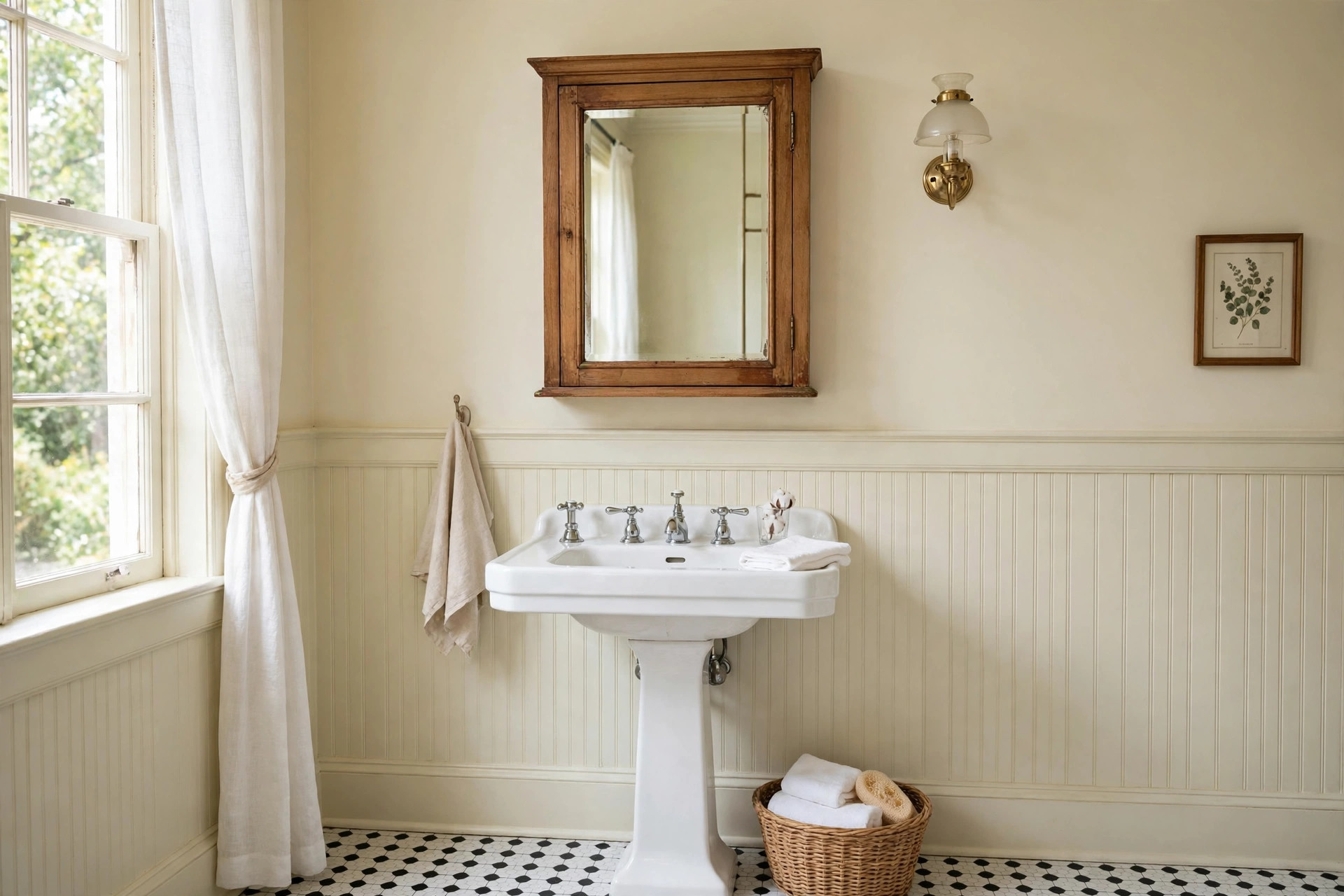
A medicine cabinet is one of the hardest-working pieces in a bathroom: mirror, storage, and wall decor in one box. It is also easy to overpay for, because prices range from under $60 to well over $1,000 and the differences are not always obvious. Learning how to buy medicine cabinet without overpaying comes down to knowing what you actually need, what features are worth paying for, and where the price traps hide.
Start With Size, Not Style
Measure first, shop second. This is the first rule of how to buy medicine cabinet without overpaying: never order before you measure. A cabinet should be roughly the same width as your vanity or a little narrower — a 600mm vanity pairs well with a 500–600mm cabinet, while a 900mm double vanity can take a 750–900mm cabinet or two smaller ones. Depth matters too: recessed cabinets sit inside the wall and need a cavity about 90–100mm deep, while surface-mounted cabinets project 100–150mm into the room.
Check your wall before you fall in love with a recessed model: studs, pipes, and wiring can block the cavity, and moving them costs far more than the cabinet itself. If you are unsure what is behind the wall, a surface-mounted cabinet is the safer and cheaper choice.
The bottom of the mirror should sit about 1,350–1,450mm from the floor for most adults, with the centre near eye level. In a household with a big height range, a taller cabinet gives everyone a usable reflection.
Decide Which Features Are Worth Paying For
Before you compare models, remember what how to buy medicine cabinet without overpaying really means: paying for features you will use daily, and skipping the ones that only look good on a spec sheet.
Mirrored interior. A mirror on the inside of the door costs a little more and is genuinely useful, especially in a small bathroom where every reflective surface helps.
Adjustable shelves. Glass shelves that move up and down let you store tall bottles beside short jars. This is a feature worth paying for; fixed shelves waste space.
Soft-close hinges. Quiet, gentle closing is a small luxury that costs very little at the factory but is often used to justify a big price jump. Do not pay a premium for it alone.
Built-in lighting. LED strips around the mirror or inside the cabinet are lovely, but they add cost and need a power supply. A separate wall light above the cabinet usually gives better light for less money, and knowing that is part of how to buy medicine cabinet without overpaying.
Defogger. A heated mirror pad that stops steam fogging is a nice touch in a busy family bathroom, but it is a luxury, not a necessity. If you want one, look for cabinets where it is included rather than paying to add it later.
Electrical outlet inside. An interior outlet for an electric toothbrush or shaver is genuinely handy, but it requires an electrician and must meet local wiring rules. Budget $100–$250 for the electrical work on top of the cabinet price.
Know What a Fair Price Looks Like
As a rough guide, a basic single-door mirrored cabinet in a standard size costs $60–$150. The second rule of how to buy medicine cabinet without overpaying is knowing these fair price bands before you shop. A well-made cabinet with adjustable glass shelves, a mirrored interior, and soft-close hinges runs $150–$400. Large, double-door, or lighted models with premium finishes run $400–$900. Anything above $1,000 should be offering something special: solid wood construction, custom sizing, or a designer brand you specifically want.
Watch out for the classic traps. A “designer” label can double the price of a cabinet made in the same factory as a mid-range one. Matching a cabinet to a vanity from the same brand is convenient but rarely the cheapest route — a plain white or mirrored cabinet from a different maker often looks just as good for half the price. And beware of sale prices that were never real: check the price history or compare the same model across two or three retailers before you buy.
Where to Shop and When
Big home improvement stores carry the widest range of standard sizes and are the best place to see cabinets in person. Online retailers often beat them on price, especially for lighted and double-door models, but check the return policy carefully — a cabinet with a scratched mirror is a common delivery problem, and you want free returns.
Second-hand and salvage shops are worth a look if you love a vintage bathroom. A solid wood 1930s or 1950s cabinet can cost $30–$80 at a salvage yard and, with a new mirror and a coat of paint, look better than a new flat-pack box. Just check the hinges and the back panel for damp damage before you buy.
Timing helps too, and it is another part of how to buy medicine cabinet without overpaying. Bathroom fixtures often go on sale around major holiday weekends and during end-of-season clearances. If you are not in a rush, put the model you want on a price alert and wait a few weeks — a 20 to 30 percent saving is common.
Installation: DIY or Hire a Pro?
A surface-mounted cabinet is a straightforward DIY job, which is good news for anyone learning how to buy medicine cabinet without overpaying: find the studs, level the cabinet, and drive in the screws. Most people can do it in under an hour with a drill, a level, and a stud finder. A recessed cabinet is a bigger job — cutting into the wall, framing the opening, and patching the plaster — and is usually worth hiring out at $150–$350 for labour.
If your cabinet has lighting or an interior outlet, hire a licensed electrician. The work is not expensive, but bathroom wiring has strict safety rules, and getting it wrong is not worth the saving.
Our Top Picks
These three cover most bathrooms, and each one fits the how to buy medicine cabinet without overpaying approach — fair price, useful features, nothing wasted:
- A plain single-door mirrored cabinet with adjustable glass shelves — the best value for most bathrooms, easy to fit, and nothing to go wrong.
- A double-door mirrored cabinet with a mirrored interior — ideal for a shared master bathroom where two people need storage and mirror space.
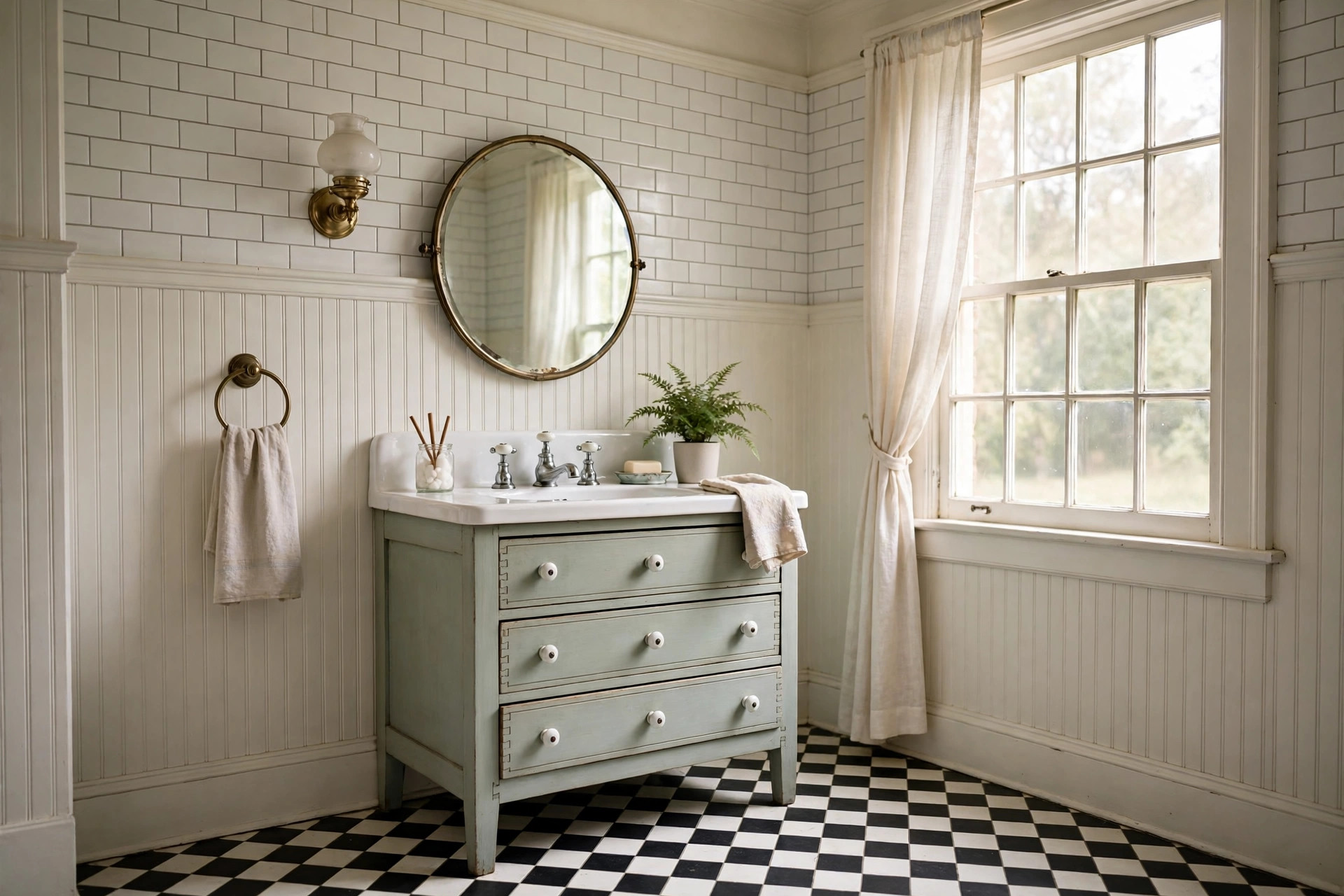
- A vintage-style wood-framed cabinet — for a retro bathroom, a wood frame in white, cream, or sage adds warmth that a frameless box cannot match.
The real secret of how to buy medicine cabinet without overpaying is boring but reliable: measure your wall, list the features you will actually use, set a budget based on the fair price ranges above, and compare the same model in at least two places before you pay. A medicine cabinet should disappear into your morning routine, not into your savings. Buy the right size, skip the features you will never notice, and spend what you save on something you will enjoy every day — like decent towels.

GIPHY App Key not set. Please check settings