

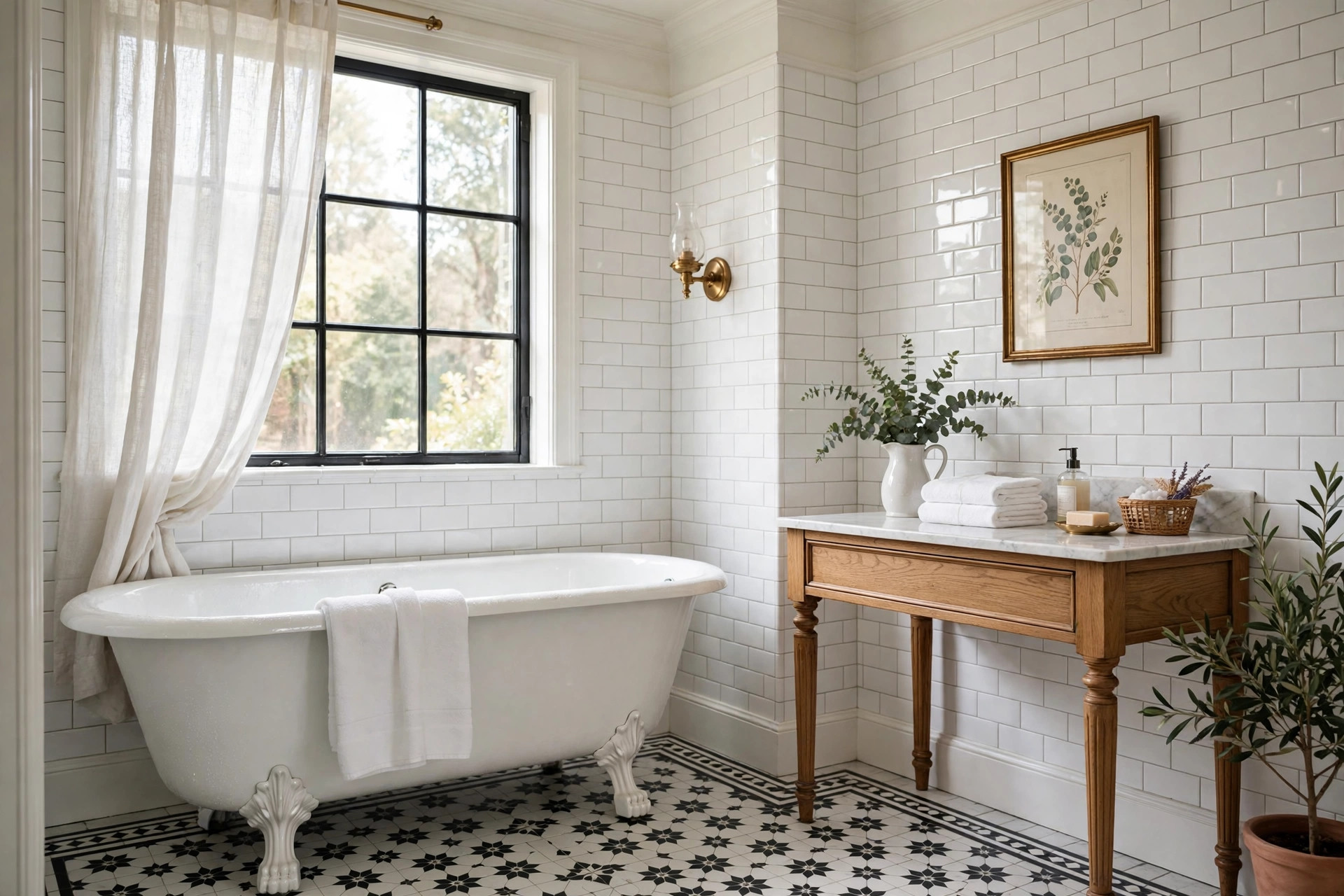
Few bathroom decisions are as delicious — or as divisive — as choosing the bath. On one side: the clawfoot tub, all Victorian romance and roll-top curves. On the other: the modern freestanding tub, sculptural, minimalist, unmistakably now. Both make a statement; they just make very different ones — and the wrong choice is an expensive one to undo. Here’s an honest clawfoot tub vs freestanding modern tub comparison to help you choose.
The Short Answer
Buy the clawfoot tub if you love period character, want a genuinely deep soak, and have the floor strength and space for it. Buy the modern freestanding tub if you prefer clean lines, easier installation, lighter weight and a wider choice of shapes. If you’re still torn, the sections below will settle it — covering the real-world pros and cons, the numbers that matter, and the one compromise option that splits the difference.
Clawfoot Tubs: The Romance and the Reality
Pros:
- Unbeatable character. A cast-iron roll-top is the single fastest way to give a bathroom vintage soul. Nothing else reads “period” so instantly.
- Deep, hot soaks. Cast iron retains heat far longer than acrylic, and traditional tubs run deep — many hold 40–60 gallons, so the water stays warm around you.
- Longevity. A well-kept cast-iron tub lasts generations; worn enamel can even be professionally refinished ($300–$600) rather than replaced.
- Design flexibility. The exterior can be painted any colour — classic white, dramatic black, a period green — for a genuinely custom look.
Cons:
- Weight. A cast-iron clawfoot can weigh 250–400+ lbs empty, and over 800 lbs filled with water and a bather. Older upper floors may need structural reinforcement — get a professional opinion before you buy, not after.
- Cleaning. Those ornate feet and the curved exterior collect dust; the gap behind any freestanding tub needs regular attention with a long-handled duster.
- Showering is awkward. Clawfoots can take a shower riser with a circular curtain rail, but it’s a compromise — curtains cling, water escapes, and it never feels like a proper shower enclosure.
- Price and lead times. New cast-iron roll-tops run $1,200–$3,000+; salvaged originals $200–$800 plus restoration and re-enamelling costs.
Modern Freestanding Tubs: The Case For
Pros:
- Lighter and easier. Acrylic freestanding tubs weigh 70–150 lbs empty — no structural drama, and a two-person crew can usually manoeuvre one into place without specialist equipment.
- Shape choice. Oval, egg, slipper-inspired, trough, Japanese-style deep soakers — the modern market offers silhouettes for every taste, including vintage-inspired curves without Victorian literalism.
- Comfort engineering. Many modern tubs feature moulded lumbar support, ergonomic recline angles and integrated armrests that a 1900s foundry never considered.
- Simpler plumbing. Most are designed around standard modern waste and overflow positions, which keeps installation straightforward and plumber-friendly — and plumber hours are money.
Cons:
- Heat loss. Acrylic sheds heat faster than cast iron, so long soaks may need the occasional hot top-up. Double-walled or stone-resin models improve on this but cost more.
- Scratch and flex. Acrylic can scratch and may flex slightly — choose a well-braced model from a reputable maker and stick to non-abrasive cleaners.
- The “statement” risk. An ultra-modern sculptural tub can fight with a period scheme; in a vintage bathroom, choose soft, curved profiles over sharp minimalism.
- Price spread. Decent acrylic models start around $700–$1,200; stone resin and solid-surface designs climb to $2,000–$5,000+.
Head-to-Head: Price, Size, Weight and Installation
| Clawfoot (cast iron) | Modern freestanding (acrylic) | |
|---|---|---|
| Typical price | $1,200–$3,000+ new; $200–$800 salvaged | $700–$2,500 |
| Empty weight | 250–400+ lbs | 70–150 lbs |
| Filled weight | 700–1,000+ lbs | 400–700 lbs |
| Heat retention | Excellent | Moderate |
| Standard length | 60–72 inches | 59–71 inches |
| Installation complexity | High (weight, levelling, waste position) | Moderate |
| Shower-friendly | Poor to fair | Fair (with screen) |
| Lifespan | 50+ years; refinishable | 15–25 years typical |
Also check your floor before you fall in love: as a rule of thumb, if your bathroom sits on an upper storey of an older house and you’re considering cast iron, have a contractor or structural engineer confirm the joists can carry a filled tub’s weight.
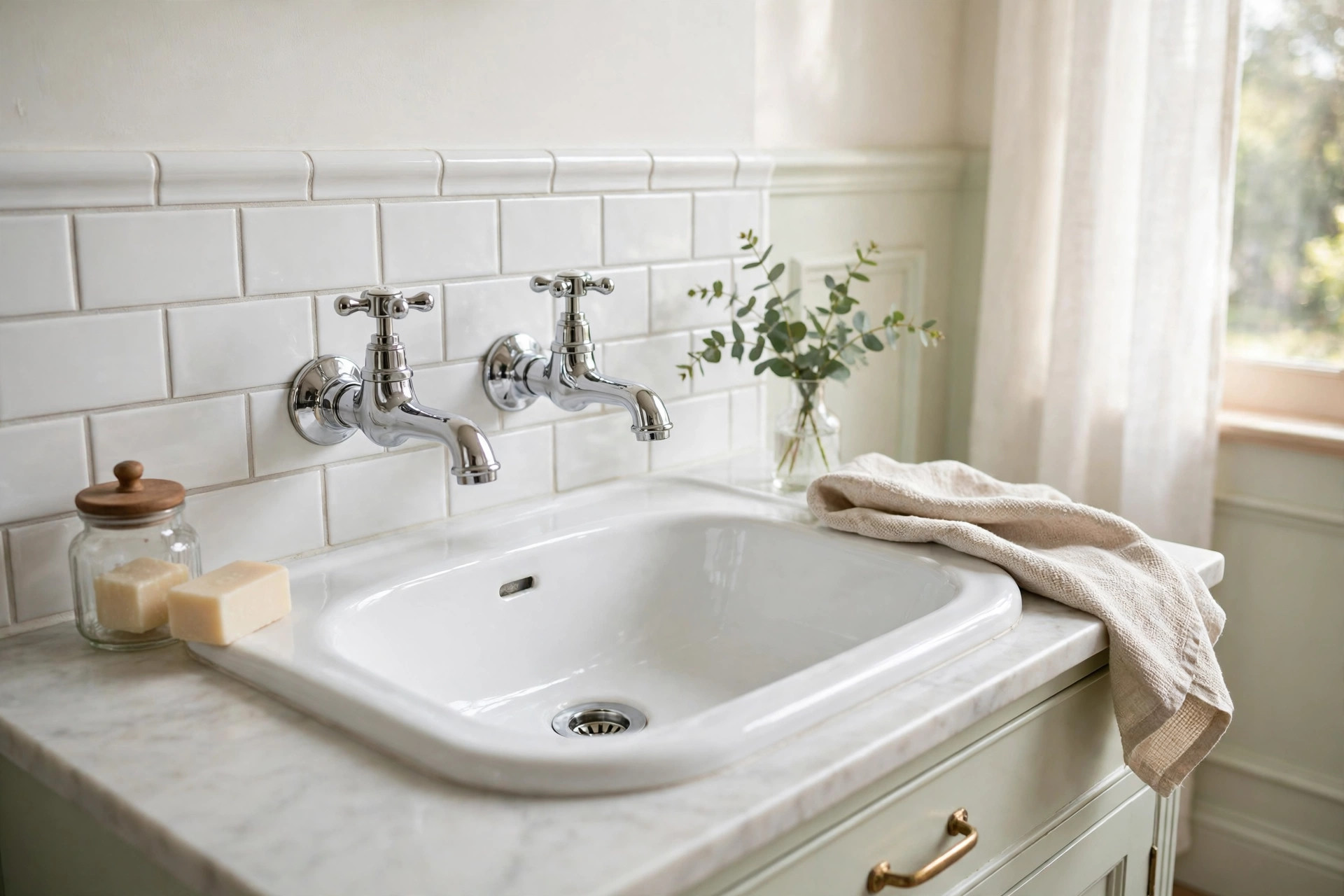
Don’t forget the taps and waste — the hidden part of the budget. Clawfoot tubs typically need deck-mounted or wall-mounted taps plus a separate waste and overflow kit ($80–$200), while modern freestanding tubs usually pair with a floor-standing filler ($150–$500). A freestanding filler needs its supply pipes routed through the floor before the tub arrives, so plan the plumbing rough-in early with your plumber.
Which One Should You Buy?
- Choose the clawfoot if your heart belongs to the Victorian or Edwardian aesthetic, you mainly bathe rather than shower, your floor can take the weight, and you value heat retention and heirloom longevity.
- Choose the modern freestanding if you want vintage feeling without period constraints, need an easier install, are working with an upper floor, or prefer ergonomic comfort and contemporary choice.
- The compromise worth knowing: acrylic clawfoot-style tubs ($600–$1,200) give you the roll-top silhouette at a fraction of the weight — arguably the best of both worlds for a vintage-look bathroom on a practical budget. Many are deep enough for a proper soak, but check the interior depth (aim for 15+ inches to the overflow) before buying, since exterior height can be misleading on clawfoot-style tubs.
Whichever you choose, size the room first: allow at least 4–6 inches of clearance on each side for cleaning, and make sure the tub can physically get through your doorways and up the stairs. Also confirm delivery logistics — a cast-iron tub sometimes needs three or four people (or a stair-climbing dolly) to reach an upper floor, so ask the supplier what the delivery includes before you assume. Measure twice, soak happily ever after.

GIPHY App Key not set. Please check settings