


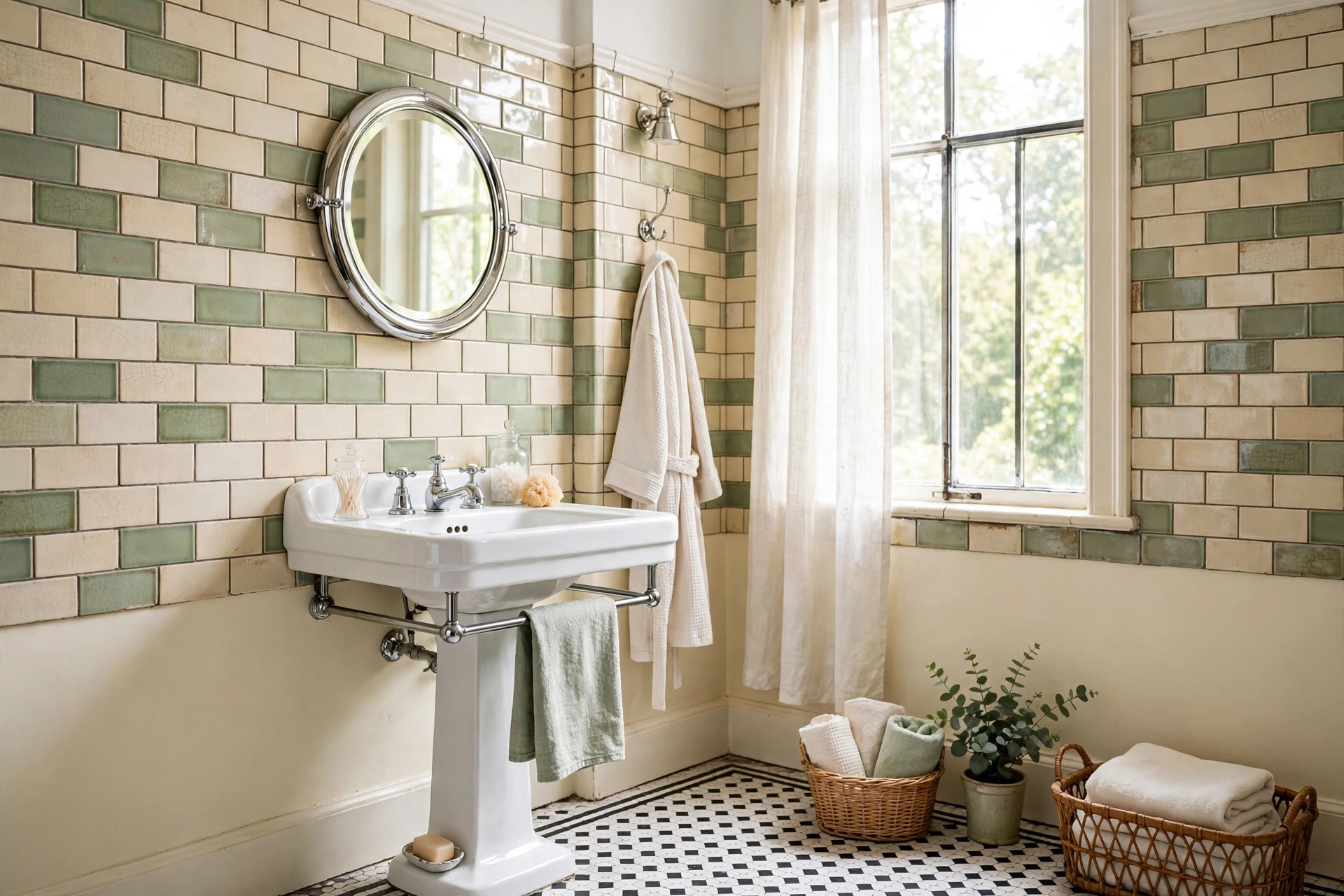
There is nothing quite like the soft, uneven glaze of a real vintage subway tile. Before you spend a dollar on reclaimed or reproduction stock, run through these 15 things to check before buying a vintage subway tile — they will save you from mismatched batches and hidden damage.
1. Confirm the Tile Is Genuinely Vintage
True vintage subway tile was usually made between the 1900s and the 1960s, and it shows its age gently: slight warping, hand-dipped glaze variation, and a heavier, denser body than most modern ceramic. Ask the seller for the tile’s origin and whether it is reclaimed, salvaged, or newly made in a vintage style. There is nothing wrong with a good reproduction, but never pay reclaimed prices for one.
2. Measure the Actual Size, Not the Listed Size
Vintage subway tile is famous for not being exactly 3 x 6 inches — many genuine pieces land closer to 2 7/8 x 5 7/8 inches. Measure at least ten tiles and note the range; even an eighth of an inch per tile adds up fast across a wall, especially in a herringbone layout.
3. Check the Glaze for Crazing
Crazing is the fine web of hairline cracks that develops as old glaze ages. A little crazing is charming and expected. Heavy crazing, though, traps dirt and moisture and darkens over time in a shower. Hold tiles up to a bright light and tilt them slowly; crazing shows up as a faint spiderweb. Reject pieces where the cracks run into the tile body.
4. Look for Chips on Edges and Corners
Run a fingertip along every edge. Small nicks on the back are harmless, but chips on the glazed face or corners will catch the eye once the tile is grouted. Expect 5 to 10 percent loss to chipping in a reclaimed batch — buy at least 15 percent extra to cover breakage and cuts. If the seller will not let you inspect the whole lot, treat that as a warning sign.
5. Test the Color Consistency Across the Batch
Vintage tile was fired in small kiln batches, so shades drift from box to box. Lay twenty tiles side by side in daylight and look for outliers — one tile noticeably greener or creamier than its neighbors. A little variation is charming, but a batch that swings wildly will look accidental once installed.
6. Inspect the Back of the Tile
Flip tiles over. Old subway tile often has a ribbed or waffle-patterned back designed to grip mortar, while many modern lookalikes have a smooth or lightly scored back. Thick mortar residue means the tile was salvaged from a wall and may need cleaning; a clean back suggests it was never installed or was carefully removed. Residue is not a deal-breaker, but factor in the cleaning time.
7. Ask About Lead Glaze
This is the check most buyers skip, and it matters most. Some pre-1970s glazes contain lead, a genuine concern in a kitchen or around a bath where small children might touch the surface. A swab test kit costs around $10 to $25 and gives a result in minutes — test several tiles from different parts of the batch. A positive result still allows use in a low-contact decorative area, but think twice before putting that tile in a shower or kitchen backsplash.
8. Count the Tiles — Then Count Again
Sellers sometimes quote a square-foot figure that assumes perfect coverage with no waste. Measure your wall, add 15 percent for cuts and breakage, and count the actual pieces — a “100 square foot” lot of 3 x 6 inch tile should hold roughly 800 tiles. If the count comes up short, negotiate down or walk away.
9. Check for Matching Trim and Bullnose Pieces
A finished wall needs bullnose edge pieces, corner pieces, and sometimes a chair rail cap. Vintage trim is much harder to find than field tile and often costs two to three times as much per piece. Ask whether the lot includes any trim. If not, plan your edge treatment in advance — a painted wood trim or a matching modern bullnose can work, but it changes the look.
10. Smell and Feel for Moisture Damage
Tile salvaged from a damp basement or a demolished bathroom can carry musty odors or efflorescence, the white salty bloom that appears when moisture moves through the ceramic body. Efflorescence usually washes off, but persistent dampness can mean the tile body is compromised. Tiles should feel dry and solid, not soft or crumbly at the edges.
11. Verify the Thickness
Vintage subway tile is typically thicker than modern ceramic — often 3/8 inch or more, versus 5/16 inch for many current tiles. Mixed thicknesses create lippage, where edges sit at different heights. Measure thickness across the batch, and check it matches any modern accent tile you plan to pair it with.
12. Test a Sample With Your Grout Color
Grout changes everything: warm grey makes cream tile look richer, while bright white makes the same tile look stark. Take two or three samples home and hold grout swatches next to them in your bathroom’s actual light before buying the full lot.
13. Ask How the Tile Was Removed
Tiles pried off a wall with a hammer and chisel carry more damage than tiles removed carefully. Careful salvage costs more, but the higher usable percentage usually makes it cheaper per installed tile than a battered bargain lot.
14. Check the Return Policy
Reclaimed tile is often sold “as is,” with no returns — which makes your inspection your only protection. If the seller offers any return window, even 48 hours, inspect the lot immediately on delivery and photograph any damage on arrival.
15. Compare the Price to a Good Reproduction
Genuine vintage subway tile typically sells for $8 to $25 per square foot; a quality handmade reproduction in the same color can cost $12 to $30. If the “vintage” price is close to or above reproduction prices, ask what the reclaimed tile really gives you: authentic patina and history, or just an old tile with more flaws. Sometimes the reproduction is the smarter buy.
Our Top Picks
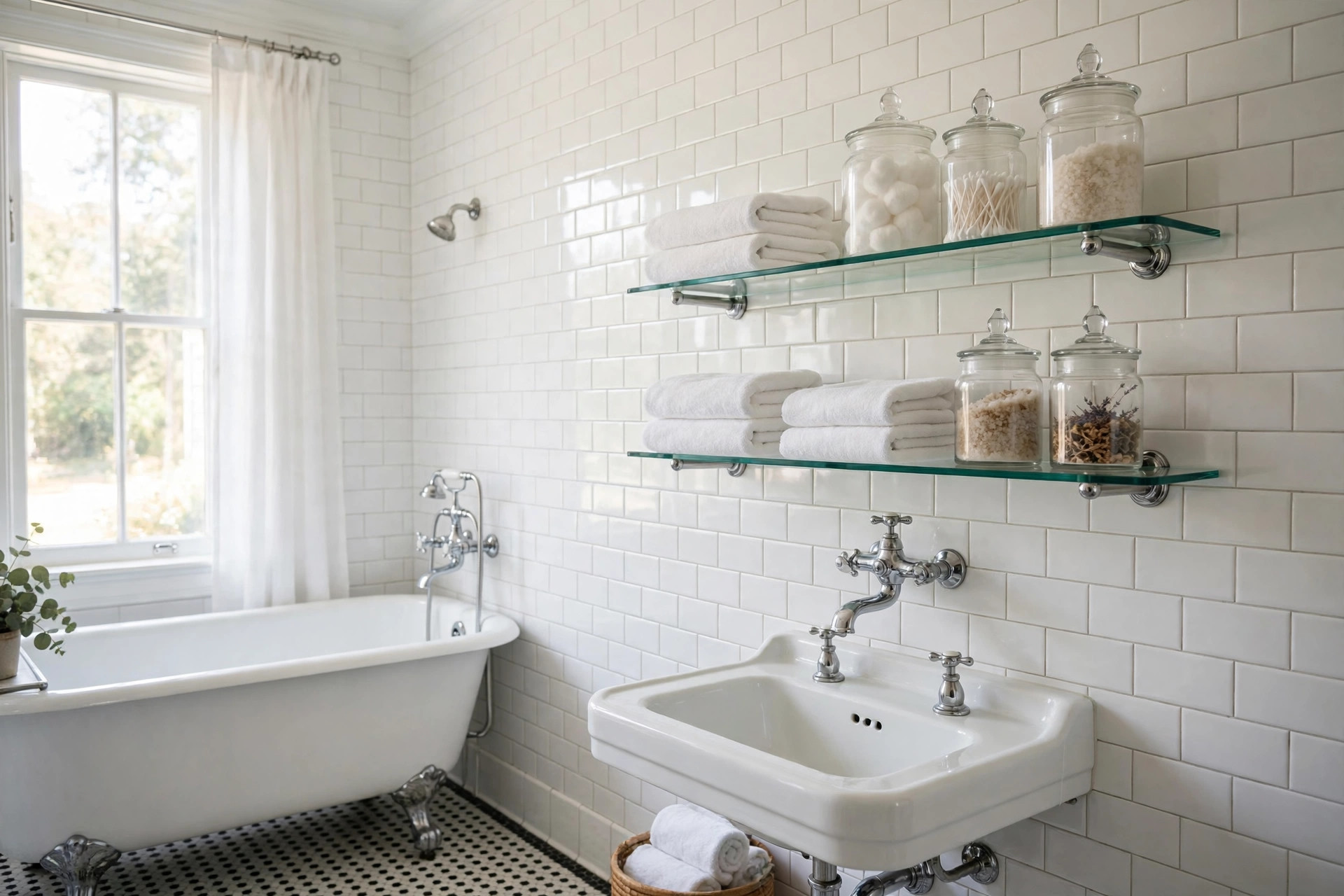
- A classic glazed white reproduction tile in 3 x 6 inches with a soft, hand-dipped look. Ideal when you love the vintage feel but want consistent sizing and a lead-free glaze.
- A reclaimed sage green field tile lot salvaged from a 1920s schoolhouse, with gentle crazing and a warm, muted glaze. Best for a feature wall or small powder room.
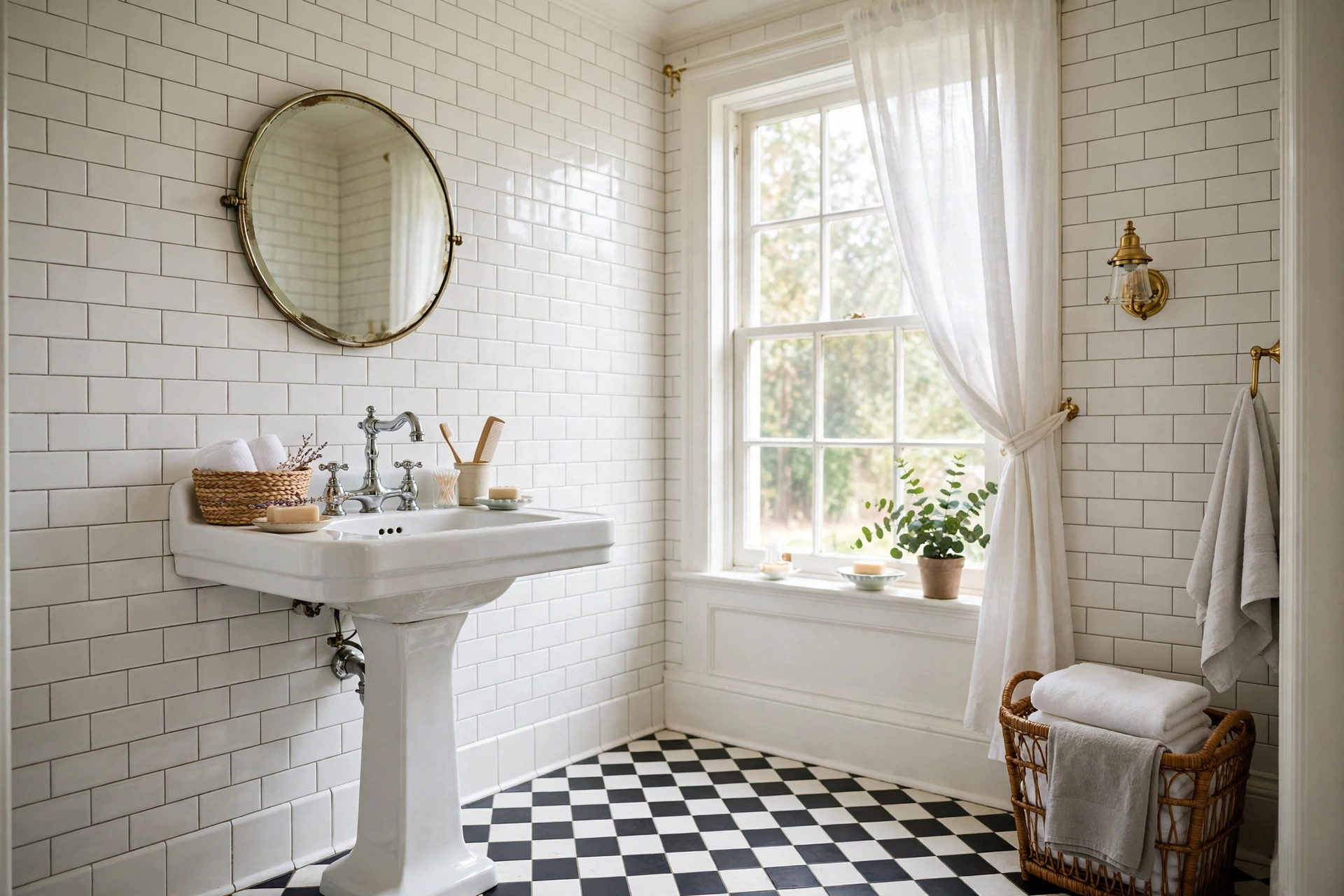
- A handmade-look crackle glaze tile in warm cream with a glossy finish. A good middle ground: the aged look without the salvage work, with matching trim easy to order.
Final Word
Buying vintage subway tile is a treasure hunt that rewards a careful eye. Work through these checks before you pay, buy extra, test for lead, and compare against a good reproduction — and the tile on your wall will be the real thing, built to last another hundred years.

GIPHY App Key not set. Please check settings